Painted Star: The Perfect Handwritten Font for Crafters
As a maker who spends hours designing labels, stickers, and invitations, I know that the right typeface can make or break a product. It is not just about aesthetics; it is about connection. When a customer picks up a handmade candle or opens a custom wedding invitation, the typography sets the tone before they even read the words. This is why discovering Painted Star felt like finding a missing piece in my design toolkit. Part of the Script Amp collection, this font is not just another digital asset; it is a versatile tool designed to bring warmth and personality to physical and digital products alike.
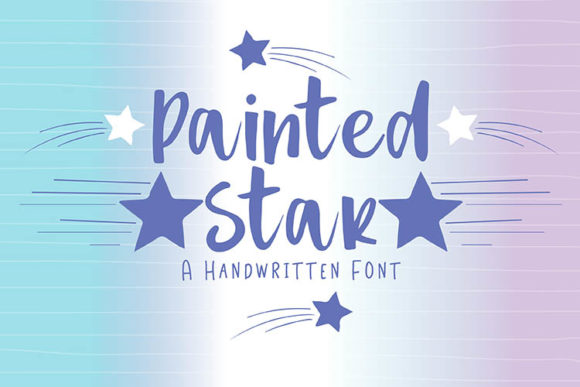
Painted Star is described as a cute and casual handwritten font with an incredibly friendly feel, and that description hits the mark perfectly. In a market saturated with rigid, geometric sans serif fonts and overly formal serif options, there is a growing demand for typefaces that feel human. This font captures the imperfect charm of actual handwriting without sacrificing legibility. For small shop owners and DIY enthusiasts, this balance is crucial. You want your brand to look professional, but you also want it to feel approachable and authentic. That is the specific niche where Painted Star shines.
Elevating Handmade Products with Authentic Typography
The primary appeal of using a handwritten font like Painted Star lies in its ability to soften the commercial edge of a product. When you are selling physical goods, such as soy candles, artisan soaps, or baked goods, the packaging is part of the experience. A sterile, corporate-looking label can create distance between you and your buyer. In contrast, the casual strokes of Painted Star invite the customer in. It suggests care, effort, and a personal touch.
Consider the application on product labels. Whether you are designing for kraft paper tags, clear vinyl stickers, or direct-print packaging, this font maintains its charm at various sizes. However, readability is key. While Painted Star is gorgeous for brand names and short descriptors like "Hand Poured" or "With Love," it is best used for display purposes rather than long paragraphs of ingredient lists. For those detailed sections, I recommend pairing it with a clean, simple sans serif font. This contrast ensures that your decorative elements catch the eye while your essential information remains easy to read.
Versatility Across Craft Projects and Seasonal Designs
One of the strongest assets of Painted Star is its versatility across different mediums. As a creator, you likely switch between digital downloads and physical crafts. This font adapts seamlessly to both. For instance, in the world of wedding stationery, couples are increasingly moving away from traditional, stiff invitations. They want designs that reflect their personalities. Painted Star works beautifully on wedding welcome boards, save-the-date cards, and menu templates. Its friendly demeanor adds a layer of intimacy to these significant life events.
Beyond weddings, think about seasonal craft designs. During the holidays, farmhouse-style signs and printable wall art are huge sellers. The casual nature of this script font fits perfectly with rustic decor trends. You can use it to create phrases like "Hello Autumn" or "Cozy Vibes" for SVG-style designs that cut cleanly on Cricut or Silhouette machines. Because the strokes are consistent and not overly intricate, it reduces the risk of weeding issues with vinyl cuts, making it a practical choice for production-heavy periods.
For those creating digital products, such as planner pages or social media graphics, Painted Star adds a pop of personality to headers and quotes. It transforms a standard template into something that feels curated and unique. This is essential for building a recognizable brand identity. When customers see that specific handwritten style across your Instagram posts, your Etsy shop banners, and your physical thank-you cards, it reinforces brand consistency and recognition.
Practical Tips for Readability and Design Execution
While the aesthetic appeal of Painted Star is undeniable, successful implementation requires attention to technical details. If you are new to using display fonts for commercial products, here are a few practical tips to ensure your designs look polished.
- Spacing Matters: Handwritten fonts often have unique kerning needs. Always check the spacing between letters, especially when using the font for logos or short titles. Tight spacing can make the letters collide, while too much space can break the flow of the handwriting illusion.
- Contrast is Key: Ensure there is sufficient contrast between the font color and the background. Since Painted Star has a casual, slightly irregular stroke weight, it can get lost on busy patterns. Solid backgrounds or subtle textures work best to let the typography stand out.
- Test Small Sizes: Before printing a large batch of stickers or labels, print a test sheet. Check if the thinner parts of the letters remain visible at smaller sizes. If you are using it for tiny product tags, consider increasing the font size slightly or bolding the text if the software allows, to maintain clarity.
- Explore Included Features: Many premium fonts in the Script Amp category come with alternates, ligatures, or swashes. Check the character map of Painted Star to see if there are variant letters. Using these alternates can prevent repetitive looks in longer phrases and add a custom, hand-lettered feel to your designs.
Font Pairing for Professional Results
To maximize the impact of Painted Star, understanding font pairing is essential. Because this font is expressive and casual, it pairs best with neutral, structured typefaces. A classic combination is pairing this handwritten style with a modern, geometric sans serif. This creates a balance between warmth and professionalism. For example, use Painted Star for the main title of a birthday invitation and a clean sans serif for the date, time, and location details.
Avoid pairing it with other highly decorative scripts or overly complex serif fonts, as this can create visual clutter. The goal is to let Painted Star be the star of the show. By keeping supporting text simple, you guide the viewer’s eye to the most important information while maintaining an attractive, cohesive design.
Licensing and Commercial Use Considerations
Finally, for any small business owner or freelance designer, understanding licensing is non-negotiable. When you purchase a font like Painted Star, you are investing in a commercial font license that allows you to use it in products you sell. This includes physical items like mugs, shirts, tote bags, and printed invitations, as well as digital downloads and templates. However, always review the specific license agreement provided by the creator. Some licenses may have restrictions on the number of units sold or require additional fees for large-scale corporate clients. Ensuring you are compliant protects your business and respects the intellectual property of the typeface designer.
Incorporating Painted Star into your creative workflow is more than just a stylistic choice; it is a strategic move to enhance the emotional appeal of your products. By combining its friendly, handwritten charm with smart design practices, you can create items that not only look beautiful but also resonate deeply with your customers. Whether you are crafting a single gift or running a full-scale handmade shop, this font offers the perfect blend of creativity and functionality to bring your DIY projects to life.