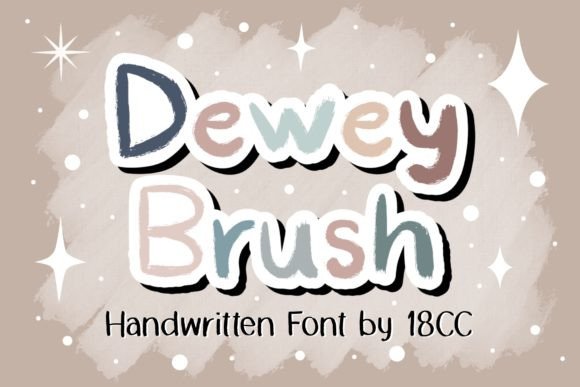
Dewey Brush: The Perfect Handwritten Font for Crafters
As a maker who spends hours perfecting the curve of a vinyl cut or adjusting the kerning on a wedding invitation, I know that the right typeface can make or break a product. We are not just selling items; we are selling feelings, memories, and aesthetics. This is why discovering Dewey Brush felt like finding a missing piece in my design toolkit. It is more than just a digital file; it is a versatile asset that bridges the gap between professional polish and handmade charm.
Dewey Brush belongs to the Script Amp category, a collection known for its expressive and fluid characteristics. As a handwritten font, it captures the organic movement of a real brush pen, complete with natural tapering and charming imperfections that give it soul. For those of us running small shops, creating printables, or designing custom signage, this level of authenticity is invaluable. It elevates branding, headings, wedding designs, and invitations to a higher standard without feeling stiff or overly manufactured.
Bringing Warmth to Handmade Products
The primary appeal of Dewey Brush lies in its ability to humanize a design. In a market saturated with generic sans serif fonts, a high-quality script font stands out. When I use Dewey Brush for product labels, such as those for small-batch candles, artisan soaps, or homemade jams, it instantly communicates care and craftsmanship. The font’s charming style suggests that a human hand was involved in the creation process, which is exactly the vibe most handmade sellers want to project.
Consider the impact on perceived quality. A simple kraft paper tag tied with twine looks good, but add Dewey Brush in a deep charcoal or soft sage green, and suddenly it looks like a boutique item. This emotional appeal is crucial for customer recognition. When buyers see consistent, beautiful typography across your packaging, social media graphics, and product listings, it builds trust. It tells them that you pay attention to details, which implies that you also pay attention to the quality of the physical product itself.
Practical Applications for Sellers and Designers
The versatility of Dewey Brush makes it suitable for a wide range of commercial craft projects. Here is how I integrate this typeface into my workflow:
- Wedding Stationery: This is perhaps the strongest use case. Dewey Brush works beautifully for wedding invitations, save-the-dates, and place cards. Its fluid strokes mimic traditional calligraphy but with a more relaxed, modern feel. It is perfect for couple’s names and main headings, creating a romantic yet approachable tone.
- Signage and Wall Art: For farmhouse-style decor or minimalist wall art, this font shines. Whether you are cutting vinyl for a wooden welcome sign or printing a large-format quote for a nursery, the legibility remains strong. It handles short phrases and single words exceptionally well, making it ideal for display use.
- Apparel and Tote Bags: When designing for heat transfer vinyl (HTV) or direct-to-garment printing, the stroke width of Dewey Brush is forgiving. It is thick enough to cut cleanly on Cricut or Silhouette machines without breaking, yet delicate enough to look elegant on a tote bag or t-shirt.
- Digital Printables: If you sell planner pages, greeting cards, or digital downloads on Etsy, this font adds a premium touch. It works well for headers in printable journals or as a decorative element on birthday cards.
Readability and Technical Considerations
While Dewey Brush is undeniably attractive, practical application requires an understanding of its limits. As a script font, it is designed for display purposes. It is not suitable for long paragraphs of body text. Trying to force it into small print will reduce readability and frustrate your customers. Instead, use it for titles, names, signatures, and short decorative wording.
For crafters using cutting machines, always test your cut settings. Because handwritten fonts often have varying stroke widths and connected letters, you may need to adjust the pressure or speed on your cutter. Using the ligatures and alternates included in the font file can help smooth out connections between letters, ensuring a clean cut and a professional look. Always preview your design at actual size before committing to material. What looks good on a large monitor might lose detail on a small sticker or product label.
Mastering Font Pairing for Brand Identity
A common mistake among new designers is using too many decorative fonts. To make Dewey Brush truly effective, pair it with a complementary typeface. The goal is contrast. Since Dewey Brush is expressive and organic, it pairs best with clean, structured fonts.
Try combining it with a simple sans serif font for a modern, minimalist look. This works wonders for business cards and packaging labels where you need to balance the artistic flair of the script with clear, readable information like ingredients or contact details. Alternatively, pairing it with a classic serif font can create a more traditional, elegant aesthetic, perfect for high-end wedding invitations or luxury branding. The key is to let Dewey Brush be the star while the secondary font supports it quietly.
Licensing and Commercial Use
Before incorporating any new typeface into your product line, it is essential to review the licensing terms. As a commercial font, Dewey Brush typically comes with specific guidelines regarding its use in physical products, templates, and digital downloads. Most premium font licenses allow you to use the font to create end products for sale, such as printed invitations, t-shirts, or mugs. However, you generally cannot redistribute the font file itself or use it in editable templates where the customer can extract the font.
Always check if the license covers SVG-style designs and web use if you plan to expand into digital assets. Understanding these boundaries protects your business and ensures you are respecting the work of the type designer. Investing in a properly licensed font is an investment in the longevity and legality of your brand identity.
In conclusion, Dewey Brush is more than just a pretty typeface. It is a functional design asset that enhances the visual appeal of handmade goods. From wedding designs to everyday product labels, its charming style adds a layer of professionalism and warmth that resonates with customers. By using it strategically, pairing it wisely, and adhering to licensing guidelines, you can elevate your craft business and create products that truly stand out.